
A small party can become complicated when the decorations come first and the practical decisions arrive later. Start with five choices that shape the gathering. Once those are settled, you can add a few details that suit the people and the occasion.
1. Name the occasion and the feeling
Write a plain description: “a relaxed birthday lunch for six” or “an afternoon shower with close family.” That sentence helps you choose a time, menu, and level of preparation. It also gives you permission to skip ideas that belong to a different kind of event.
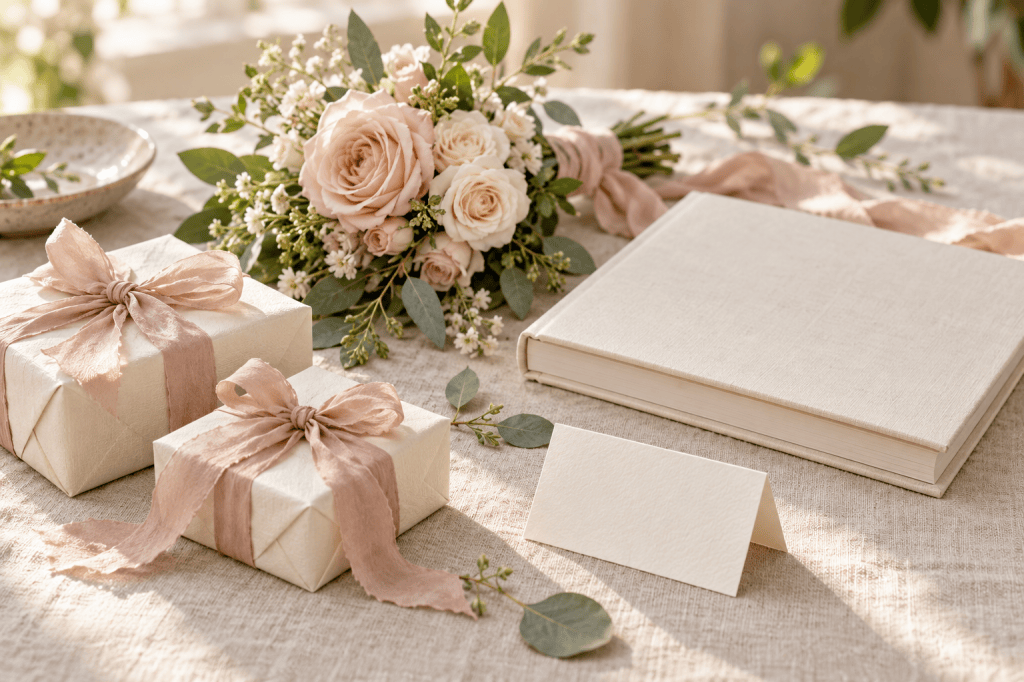
Choose one meaningful detail for the guest of honor: a favorite color, a dessert they enjoy, a few photographs, or a book where guests can leave messages. You do not need a theme for every cup, napkin, and activity.
2. Count people against the space
Make a realistic guest list before buying supplies. Consider seating, coats and bags, access to the bathroom, and a clear route through the room. If someone has access needs, ask what would help rather than assuming that a familiar home will work for everyone.
For a child’s celebration, clarify which adults will stay and who is supervising. For any gathering, make the invitation clear about the date, start and finish time, location, and how to reply. Useful information is part of making guests feel welcome.
3. Choose food you can actually serve
Plan around the time of day and the help available. A short afternoon gathering may need a different menu from an evening that overlaps dinner. Ask guests about food restrictions early, label food clearly where useful, and plan how it will be stored and served.
Choose a few things that can be prepared or arranged in advance. Put serving dishes out before the event, with a note to yourself about what goes where. Make space for drinks, water, and used cups so guests do not have to ask for every small thing.
4. Spend where it changes the experience
Set a total and divide it among food, drinks, supplies, and the one decorative detail you care about most. Check what you already own before buying more. Reusable dishes or borrowed serving pieces may suit a small event better than a large bundle of matching extras.
Keep sightlines and surfaces usable. A low arrangement, a ribbon around a vase, or a small cluster of photographs can make the room feel considered while leaving space for plates and conversation.
5. Decide how the gathering will flow
Think through arrival, food, any planned activity, and the end of the event. Leave room between them. If there are gifts, decide where they can go without blocking a doorway, and whether opening them is part of the gathering.
A simple final checklist is enough: clear the entry, set out water, check the bathroom, place food and serving tools, and put the guest of honor’s personal detail where they can enjoy it.
Let the celebration be about the people
A relaxed host and an easy room matter more than another layer of decoration. If you want a small take-home gift, use the thoughtful gift guide to choose one item with a reason. The best detail is often the one that tells someone you paid attention.

